
Bali Customs Declaration Form: How to Fill It Out for a Smooth Arrival

Arriving in Bali should feel seamless, not confusing. Yet for many travelers, the customs declaration step is where uncertainty begins. With Indonesia’s fully digital system now in place, understanding the process in detail can save you time, reduce stress, and help you move through the airport efficiently.
This expanded guide goes deeper into every stage of the Bali Customs Declaration Form, including practical examples, real scenarios, insider tips, and detailed explanations that most guides overlook.
Understanding the Bali Customs System (Why It Exists)
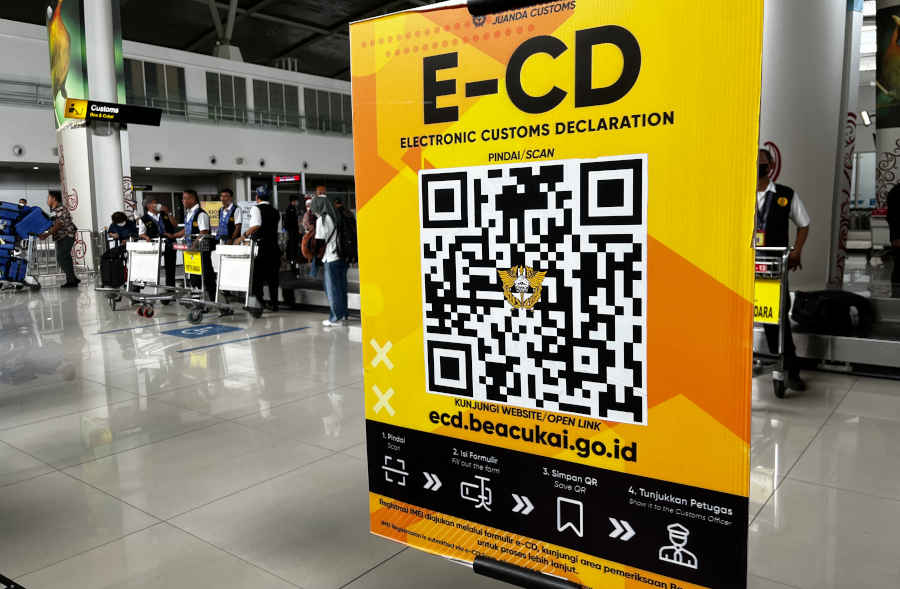
The Indonesian customs system isn’t just paperwork it’s part of a broader framework designed to:
- Prevent illegal imports
- Protect local industries
- Control restricted goods
- Ensure passenger safety
For Bali specifically, where tourism is extremely high, efficiency is key. That’s why the government introduced the Electronic Customs Declaration (e-CD) to reduce congestion at Ngurah Rai International Airport and digitize the arrival experience.
The result: faster processing if you prepare properly.
The Digital Shift: What Changed Recently?

Before digitalization, travelers had to:
- Fill out paper forms on the plane
- Queue again at customs counters
- Manually declare goods
Now, everything is handled online:
- One digital form
- QR code scanning
- Minimal paperwork
- Faster exit times
However, the trade-off is that accuracy matters more than ever; there's no officer helping you fill it out mid-process.
1. Personal Information
This section must align exactly with your passport data. Immigration systems often validate entries digitally, so even small inconsistencies can cause delays.
Key Details to Get Right
Full Name Format
- Enter your name exactly as shown on the passport MRZ (machine-readable zone)
- Do not rearrange order (e.g., given name vs surname)
- Avoid adding titles (Mr, Ms, Dr)
Middle Names
- Include all middle names only if they appear in your passport
- Do not shorten or initialize them unless your passport does
Spelling Consistency
- Use the same spelling as your passport—even if it differs from everyday usage
- Avoid accents or special characters unless they are clearly shown
Date of Birth & Nationality
- Double-check formatting (day/month/year vs month/day/year depending on system)
- Ensure nationality matches passport, not residency
Occupation
- Keep it simple and general
- Use standard terms like:
- Student
- Manager
- Freelancer
- Business Owner
- Avoid long descriptions, company names, or abbreviations
Passport Details
- Passport number must be exact (case-sensitive if applicable)
- Check expiry date carefully—this is frequently mistyped
2. Travel Information
This section is one of the most common sources of errors because it must reflect your actual entry into the destination country, not your full journey.
What Authorities Expect
Flight Number
- Enter the flight number of the final segment arriving into the destination
- This is how immigration tracks your entry record in their system
Arrival Date
- Must match the local date at your arrival destination
- Be careful with time zone differences, especially if crossing midnight
Port of Entry
- Select the correct airport or entry point
- Ensure it matches your arrival flight
Transit Considerations
- Only the last leg of your journey matters
- Earlier connecting flights are not relevant for this form
Purpose of Visit
- Choose the closest official category (e.g., Tourism, Business, Visiting Friends)
- Avoid overcomplicating or selecting incorrect categories
Length of Stay
- Provide a realistic estimate based on your booking
- Ensure it aligns with visa conditions (if applicable)
3. Accommodation Details
This section is used by authorities for tourism tracking, safety monitoring, and immigration records, so clarity matters.
Required Information
Accommodation Name
- Use the full official name of the property
- Avoid abbreviations or nicknames
Location / Area
- Include the specific area or district
- This helps authorities identify where travelers are staying
Address Details
- Provide as much detail as possible:
- Street name (if available)
- Area or neighborhood
- City/region
If Staying in Private Accommodation
Booking Name
- Use the name listed on your booking confirmation
Host or Property Name
- Include the host name or property title if no formal hotel name exists
Clarity Over Perfection
- If the full address is unclear, prioritize:
- Recognizable area name
- Property or listing name
Why This Matters
Authorities use this information to:
- Monitor tourist distribution across regions
- Contact travelers if necessary
- Verify accommodation legitimacy
Incomplete or vague entries can slow down processing or trigger additional questions.
Where You Stay Matters More Than You Think
After customs, your experience depends heavily on your accommodation.
Many travelers don’t realize that choosing the right location can reduce post-arrival stress significantly especially after long-haul flights.
Areas like Seminyak are popular because they offer:
- Easy airport access (~30 minutes)
- Dining and shopping nearby
- Walkable streets
When researching resorts in Seminyak, travelers often prioritize places that balance accessibility with a quieter atmosphere. Properties like Montigo Resorts Seminyak are frequently mentioned for offering that balance central enough for convenience, yet tucked away enough to recover after travel fatigue.
4. Baggage Declaration
You’ll be asked:
- Number of checked bags
- Number of carry-ons
Important clarifications:
- Backpacks = carry-on
- Shopping bags = count if significant
- Sports equipment = declare if separate
Tip: Don’t overthink, just give a reasonable estimate.
5. Goods Declaration
This is where most travelers hesitate.
Let’s break it down clearly.
What You DON’T Need to Declare
- Personal clothing
- Personal electronics (1–2 devices)
- Toiletries
- Souvenirs under allowance
What You SHOULD Declare
- More than 1 liter of alcohol
- High-value items (luxury goods, multiple electronics)
- Cash over IDR 100 million
- Commercial goods (items for resale)
Prohibited Items
Strictly not allowed:
- Drugs (zero tolerance)
- Weapons
- Pornographic material
- Certain medications without prescription
Indonesia has very strict enforcement, especially for drugs.
QR Code System Explained
Once submitted:
- You receive a unique QR code
- This code contains all your declaration data
- Customs officers scan it upon arrival
There are two outcomes:
Green Channel (Most Common)
- No issues
- Quick exit
Red Channel
- Random or flagged inspection
- Bag scanning or manual check
Even if flagged, it doesn’t mean you did anything wrong, it can be random.
Airport Flow: Realistic Timeline

Let’s break down actual timing based on traveler patterns:
|
Stage |
Time Estimate |
|
Immigration queue |
20–60 mins |
|
Baggage claim |
10–30 mins |
|
Customs clearance |
5–20 mins |
Total: 35 minutes to 2 hours
Preparation can reduce this significantly.
Advanced Tips Most Guides Don’t Tell You
To make your arrival in Bali even smoother, a few small but strategic habits can make a big difference. These are the practical tips experienced travelers swear by:
- Screenshot everything in advance
Always save a screenshot of your QR code, hotel booking, and important documents on your phone. Airport Wi-Fi can be slow or unreliable, and having offline access ensures you won’t be stuck searching for emails at the counter. - Fill out the form using a laptop if possible
Completing the customs form on a laptop or tablet can reduce errors. A larger screen makes it easier to review details like passport numbers and flight information, helping you avoid typos that could delay your processing. - Use the same email as your travel bookings
Keeping everything under one email account helps you stay organized. Your customs QR code, hotel confirmation, and flight details will all be in one place, making it easier to access quickly when needed. - Avoid peak arrival times when possible
Bali’s airport tends to be busiest in the evening (around 6 PM to 11 PM) and during early morning arrivals. If you have flexibility, choosing flights outside these windows can significantly reduce waiting times at immigration and customs. - Travel light to reduce inspection chances
The more luggage you carry, the higher the chance of being selected for inspection. Packing efficiently not only makes your journey easier but can also help you pass through customs more quickly.
These small adjustments may seem simple, but together they can save you time, reduce stress, and ensure a much smoother arrival experience in Bali.
Bali Entry Costs Breakdown (Updated Insights)
Here’s a more realistic pricing guide based on traveler experiences:
|
Expense |
Cost Range |
|
Visa on Arrival |
~500,000 IDR (~$30 USD) |
|
Tourist Tax |
~150,000 IDR (~$10 USD) |
|
Airport Transfer (Seminyak) |
150,000–400,000 IDR ($10–$25 USD) |
|
Private Driver |
~$40–$70/day |
|
Fast Track Service |
~$30–$60 USD |
Prices vary depending on season and demand.
Should You Use Fast Track Services?
Fast track is worth considering if:
- You arrive during peak hours
- You’re traveling with family
- You want a stress-free experience
However, if your documents (including customs form) are prepared, many travelers report:
“The process was already smooth without it.”
Common Misconceptions About the Customs Form
Many travelers assume the Bali Customs Declaration Form is complicated, but in reality, it typically takes under five minutes to complete. Another common misconception is that you need to print the form; however, a simple screenshot of your QR code on your phone is more than sufficient. Some also worry that they will automatically be selected for inspection, but in most cases, travelers pass through customs quickly without any issues.
What Happens If You Make a Mistake?
If you submitted incorrect info:
- You can simply fill out a new form
- Use the latest QR code
Customs will only scan the most recent valid submission.
Travel Psychology: Why Preparation Matters
The arrival experience sets the tone for your entire trip.
Stress factors include:
- Long flights
- Unfamiliar systems
- Language barriers
Completing your customs form in advance removes one major friction point allowing you to transition smoothly into your Bali experience.
Connecting Arrival to Your Stay Experience
Once you exit customs, the next phase begins transportation and check-in.
This is where thoughtful planning pays off.
Travelers often report that:
- Long waits + chaotic transport = poor first impression
- Smooth arrival + organized transfer = instant relaxation
This is why accommodation choice plays a key role.
Well-located stays particularly in Seminyak reduce travel fatigue significantly. Properties like Montigo Resorts Seminyak are often appreciated not for being flashy, but for offering consistency, accessibility, and comfort, which matter most right after arrival.
Final Checklist Before You Fly

- Passport valid (6+ months)
- Visa requirements checked
- Customs form completed
- QR code saved
- Hotel details ready
Final Thoughts
The Bali Customs Declaration Form is simple but only if you understand it. By preparing ahead, avoiding common mistakes, and knowing exactly what to expect, you can move through the airport efficiently, avoid unnecessary delays, and start your trip with ease. More importantly, a smooth arrival sets the tone for your entire Bali experience. From the moment you land to the moment you check in, every detail contributes to how quickly you transition into relaxation mode.
Choosing the right stay plays a key role in that experience. Whether it’s your first time in Bali or a return visit, selecting a well-located and thoughtfully designed Seminyak resort like Montigo Resorts Seminyak can make all the difference especially when paired with reliable airport transportation in Bali, ensuring a seamless journey from the airport to your accommodation.In the end, Bali is about balance and it starts the moment you arrive.