
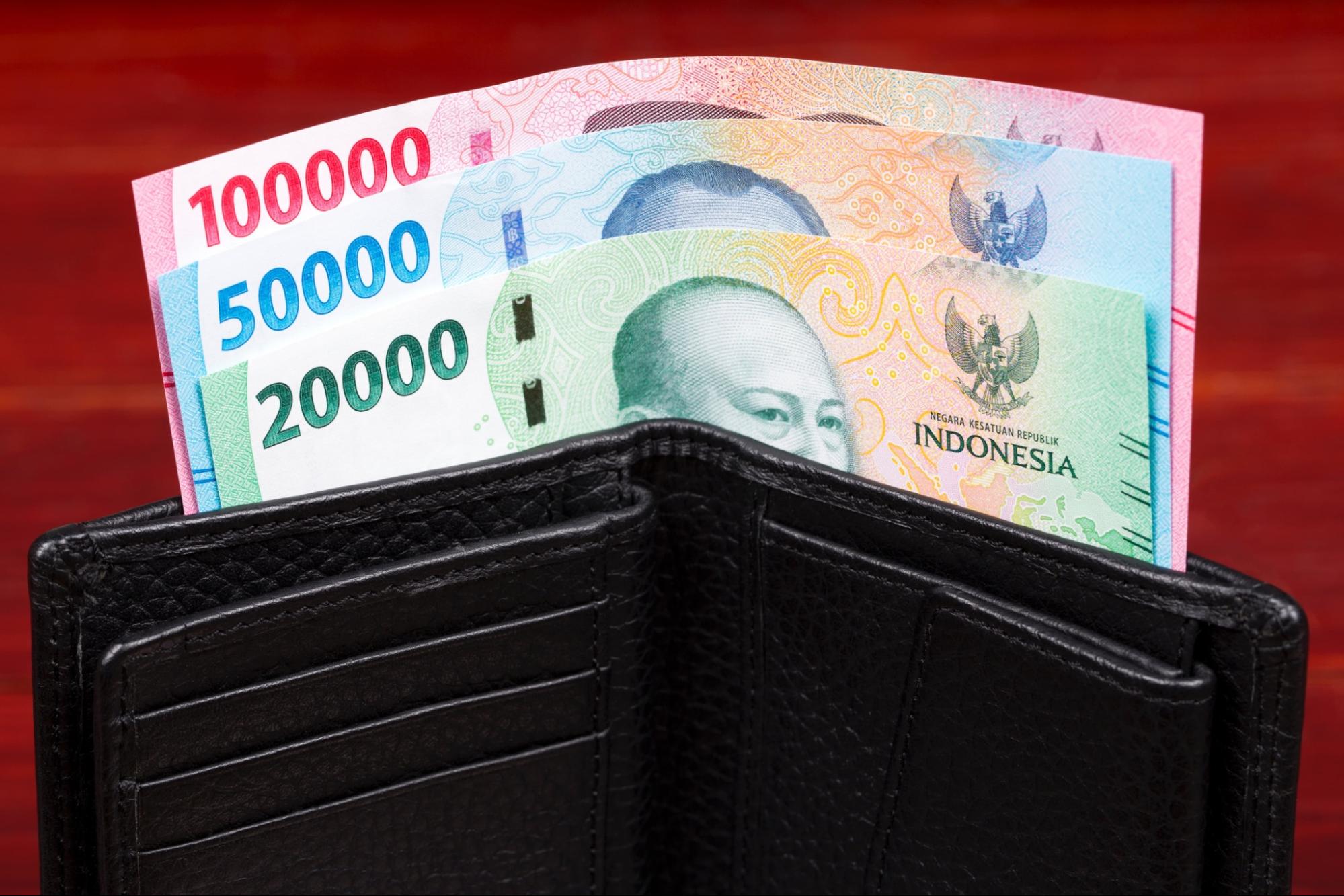
Traveling to Bali can be affordable and enjoyable, but many tourists lose money because of avoidable scams involving currency exchange booths, unsafe ATMs, and misleading payment practices. Areas filled with tourists often attract scammers who target visitors unfamiliar with Indonesian Rupiah, local pricing, and common exchange tricks. While Bali remains one of the safest destinations in Southeast Asia for travelers overall, understanding how money scams work can protect your budget and prevent unnecessary stress during your trip.
Most financial scams in Bali happen in busy tourist hubs such as Kuta, Seminyak, Legian, and Canggu, where travelers frequently exchange cash, withdraw money from ATMs, or pay for transport and shopping. Tourists carrying large amounts of foreign currency are often the easiest targets because scammers rely on confusion caused by the large denominations used in Indonesia.
Understanding Indonesian Rupiah Before Arriving in Bali
Indonesia uses the Indonesian Rupiah (IDR), and the currency includes large numerical values that can easily confuse first-time visitors. Travelers who are not familiar with the currency sometimes miscalculate transactions, especially when dealing with multiple zeros during exchanges or ATM withdrawals. This confusion creates opportunities for dishonest exchange operators to manipulate calculations or remove banknotes during counting.
Common Indonesian Rupiah Banknotes
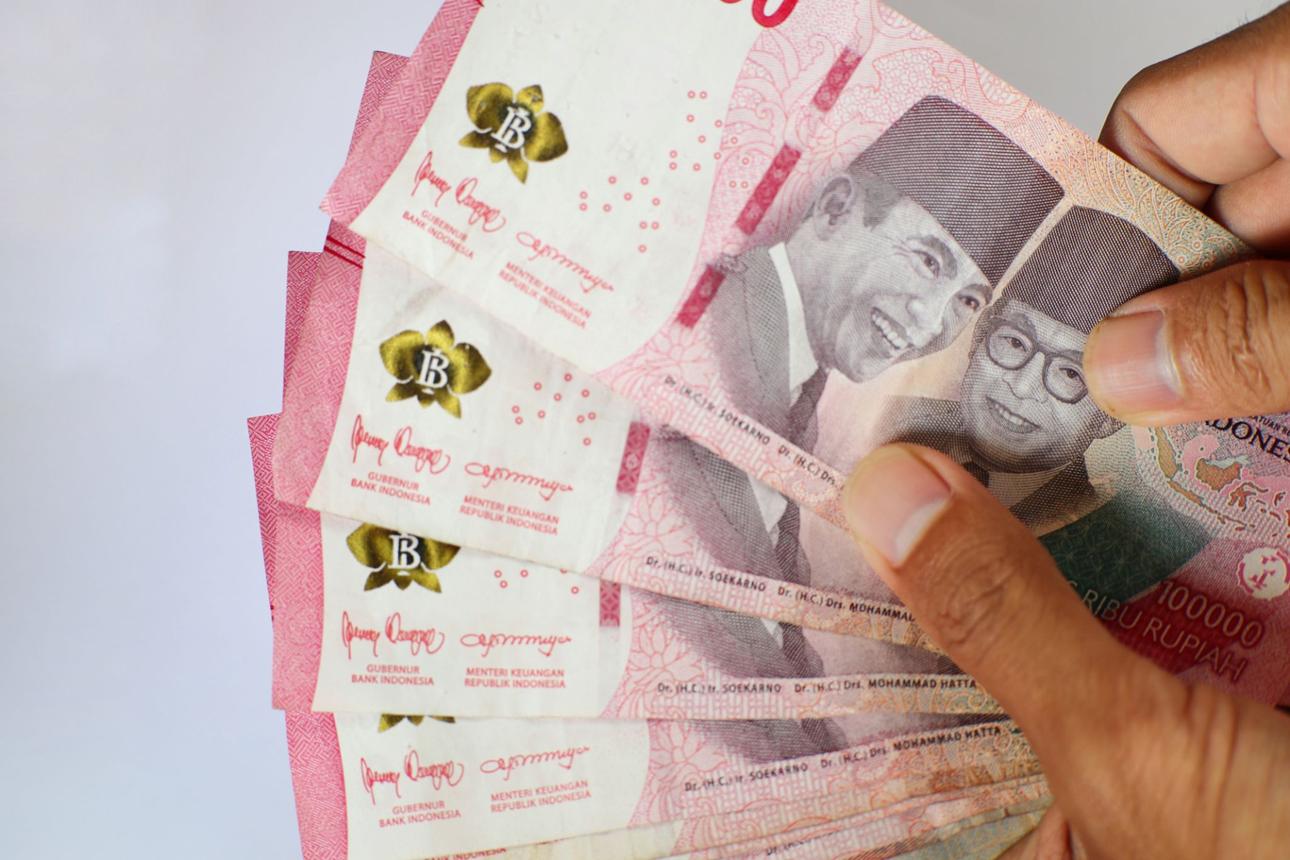
The most commonly used banknotes include:
- 10,000 IDR
- 20,000 IDR
- 50,000 IDR
- 100,000 IDR
Travelers should always double-check the number of zeros, confirm the final amount received, and carefully recount money before leaving any exchange counter. Many scams rely on rushing tourists during the final handover process.
How Currency Exchange Scams Work in Bali
Currency exchange scams in Bali usually involve unofficial money changers advertising rates that appear much better than the official market rate. These booths often display attractive exchange numbers outside their stores to lure tourists inside. Once the transaction begins, scammers may use fast hand movements, hidden commissions, fake calculators, or distraction techniques to reduce the amount of cash handed back to the customer.
One common trick involves recounting the money multiple times while talking quickly to confuse the traveler. Another scam occurs when staff intentionally separate some banknotes during the counting process before handing over the final stack. Since Indonesian currency involves large numbers, many tourists fail to notice missing notes until they leave the shop.
The safest approach is to avoid exchange booths that look unprofessional or unusually aggressive in advertising “best rates” on the street.
How To Identify Safe Money Changers in Bali
Authorized money changers in Bali usually operate from proper office spaces with clear signage, transparent exchange boards, printed receipts, and visible licensing information. Reliable exchange providers do not pressure customers during transactions or use suspiciously high exchange rates to attract attention.
Travelers should look for exchange locations inside:
- Shopping centers
- Airport terminals
- Established commercial areas
- Reputable travel hubs
Avoid small roadside booths with cramped interiors or counters designed to limit visibility during counting.
Comparison Between Safe and Risky Money Changers
|
Safe Money Changers |
Risky Money Changers |
|
Provide printed receipts |
Avoid issuing receipts |
|
Use transparent calculations |
Use confusing calculations |
|
Have official licenses |
No visible licensing |
|
Operate in professional offices |
Operate in tiny street kiosks |
|
Follow market exchange rates |
Offer unrealistically high rates |
|
Allow customers to recount money calmly |
Rush customers during counting |
Even at legitimate exchange offices, travelers should count their money personally before leaving the counter.
Is It Better To Exchange Money at the Airport?
Airport currency exchange counters in Ngurah Rai International Airport are generally safer than random street exchange booths because they are regulated and monitored. The downside is that airport rates are usually less favorable than rates available in tourist areas or through local bank ATMs.
Most experienced travelers exchange only a small amount at the airport to cover immediate expenses such as transportation, food, or SIM cards. Larger withdrawals are usually safer and more cost-effective through reputable ATMs connected to major Indonesian banks.
Safe ATM Tips for Bali Travelers
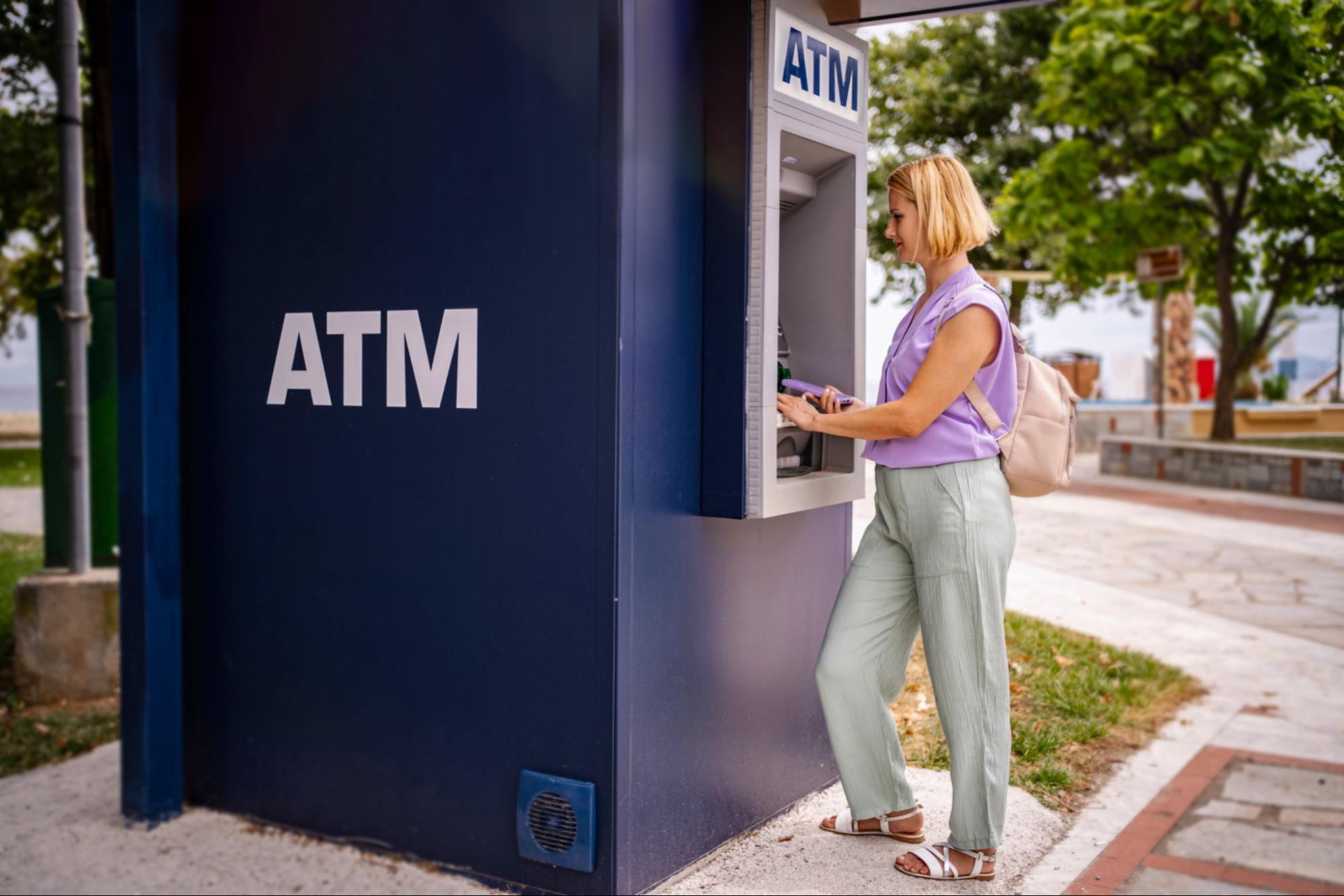
ATMs in Bali are widely available, but not all machines are equally safe. Tourist areas sometimes contain standalone ATMs that are vulnerable to skimming devices, hidden cameras, or card-trapping scams. Using the wrong machine can expose your debit or credit card information within seconds.
The safest ATMs are located:
- Inside bank branches
- Inside shopping malls
- Inside supermarkets
- Inside major convenience stores
Travelers should avoid isolated outdoor ATMs, especially machines located in dark alleys or quiet side streets. These locations are easier for scammers to tamper with and harder for authorities to monitor.
Before inserting your card, inspect the ATM carefully. A loose card reader, unusual keypad attachment, or hidden camera may indicate a skimming setup. Covering the keypad while entering your PIN adds another layer of protection against hidden recording devices.
Dynamic Currency Conversion: The Hidden ATM Fee
Many ATMs and card terminals in Bali ask travelers whether they want to complete the transaction in Indonesian Rupiah or their home currency. This feature is called Dynamic Currency Conversion (DCC), and it almost always results in a worse exchange rate for the traveler.
When given the option, always choose Indonesian Rupiah (IDR). Allowing your home bank to process the conversion usually provides a better rate and lower fees than accepting the ATM operator’s conversion.
Best Areas in Bali for Safe ATM Withdrawals
Ubud: Safer ATM Access Around Cultural and Wellness Areas
Ubud is generally considered one of the safer places in Bali for ATM withdrawals because most machines are located near established banks, wellness resorts, cafés, and shopping streets with steady daytime foot traffic. Travelers can usually find bank-operated ATMs inside convenience stores, shopping complexes, or directly attached to bank branches along central roads such as Jalan Raya Ubud and Monkey Forest Road.
Because Ubud attracts wellness travelers, families, and long-stay tourists rather than heavy nightlife crowds, ATM-related scams tend to be less aggressive compared to party-focused districts. However, travelers should still avoid isolated standalone ATMs near rice field roads or quieter outer areas late at night.
Seminyak: Reliable Banking Facilities in Upscale Commercial Areas
Seminyak offers some of the most reliable ATM access in Bali because the area contains many international restaurants, luxury resorts, boutiques, and established commercial centers. Most travelers prefer withdrawing money from ATMs connected to major Indonesian banks located near busy streets such as Jalan Kayu Aya, Petitenget, and Sunset Road.
ATMs inside supermarkets, minimarts, and shopping areas in Seminyak are generally safer because they benefit from better lighting, CCTV monitoring, and regular security presence. Since Seminyak is heavily visited by international tourists, card payment options are also more widely accepted, reducing the need to carry large amounts of cash.
Nusa Dua: One of the Safest Areas for Cash Withdrawals
Nusa Dua is widely regarded as one of Bali’s safest districts for financial transactions because the area is built around high-end resorts, gated hotel zones, and regulated tourism infrastructure. Most ATMs here are attached to hotels, bank branches, or secure shopping complexes with strong security monitoring.
Travelers staying in Nusa Dua often experience fewer money-related scams because the area has less street congestion and significantly less nightlife activity than southern tourist districts. Although exchange rates may not always be the best, many visitors prioritize safety and convenience over small differences in rates.
Canggu: Convenient but Requires Extra ATM Awareness
Canggu has rapidly developed into one of Bali’s busiest digital nomad and surf destinations, which means ATM availability is excellent. However, the fast growth of the area has also led to an increase in standalone roadside ATMs that may not always be properly monitored.
Travelers in Canggu should prioritize withdrawing money from ATMs located inside:
- Banks
- Large minimarts
- Shopping complexes
- Busy cafés or coworking areas
Avoid poorly lit ATMs near shortcut roads, beach access lanes, or isolated parking areas, especially late at night after nightlife hours.
Kuta and Legian: High Convenience but Higher Scam Risk
Kuta and Legian remain among Bali’s busiest tourist districts, which makes them convenient for banking access but also more vulnerable to tourist-targeted scams. The combination of nightlife, crowded shopping streets, intoxicated tourists, and constant foot traffic creates ideal conditions for scammers.
Travelers should avoid:
- Standalone ATMs in narrow alleys
- Machines with loose card readers
- Exchange booths advertising unrealistically high rates
- Late-night cash withdrawals after bars or clubs
Using ATMs attached directly to bank branches during daylight hours is significantly safer in these areas.
Sanur: Calm Environment With Reliable Banking Access
Sanur is often preferred by families and older travelers because of its quieter atmosphere and slower pace. The area contains several reliable bank-operated ATMs near beachfront hotels, cafés, and local shopping streets.
Because Sanur has less intense nightlife activity than Kuta or Legian, travelers often feel more comfortable withdrawing money here, particularly during the evening. The calmer environment also reduces the pressure and distractions that scammers typically rely on.
How Much Cash Should You Carry in Bali?
Bali has become increasingly card-friendly, especially in hotels, restaurants, cafés, coworking spaces, and beach clubs. Still, smaller businesses, local markets, and independent drivers often prefer cash payments.
Carrying moderate amounts of cash is practical, but tourists should avoid carrying large stacks of Rupiah while walking through crowded tourist areas. Keeping backup cards separate from your primary wallet can also reduce risk if theft or card loss occurs.
Many experienced travelers divide their money between:
- A daily spending wallet
- A hotel safe
- A backup card stored separately
This approach limits financial damage if one payment method becomes compromised.
What To Do If You Get Scammed in Bali
Travelers who believe they have been scammed should act quickly because fast reporting improves the chances of recovering stolen funds or blocking compromised cards. Keeping receipts, ATM records, and photos of the exchange booth or ATM location can help banks investigate fraudulent transactions.
If your card details may have been stolen:
- Freeze the card immediately through your banking app.
- Contact your bank’s fraud department.
- Monitor your transactions closely.
- Replace compromised cards as soon as possible.
Tourists can also report serious incidents to local tourist police in Bali, especially if large amounts of money are involved.
Final Thoughts
Most visitors to Bali never experience serious financial scams, but simple precautions make a major difference. Using licensed money changers, choosing secure ATMs, avoiding unrealistic exchange rates, and staying aware during cash transactions can protect travelers from the most common tourist scams on the island. Travelers staying at established resorts in Bali, including Montigo Seminyak Resort, often benefit from safer access to reputable ATMs, reliable transportation services, and trusted local recommendations that reduce the risk of financial scams during their stay.
Bali remains one of Southeast Asia’s most popular travel destinations because it offers excellent value, strong tourism infrastructure, and convenient banking access. Many resorts in Bali are located near secure banking facilities, shopping centers, and licensed currency exchange providers, making it easier for tourists to manage their money safely while exploring the island. Travelers who handle currency exchanges carefully and stay cautious around unfamiliar ATMs can enjoy their trip without unnecessary financial problems, especially when staying at reputable accommodations such as Montigo Seminyak Resort.